

Back Pain Treatment Program Knox City
Why a program?
Tried physio, massage or even surgery, but your back pain keeps coming back with no real plan?
We look at the whole picture, including past injuries and how your nervous system processes pain, then guide you through a structured 12-week plan.
Back pain stopping you from enjoying life? Our 12-week program finds the cause and builds you back up, step by step.
What are the benefits of the program?
-

Less pain
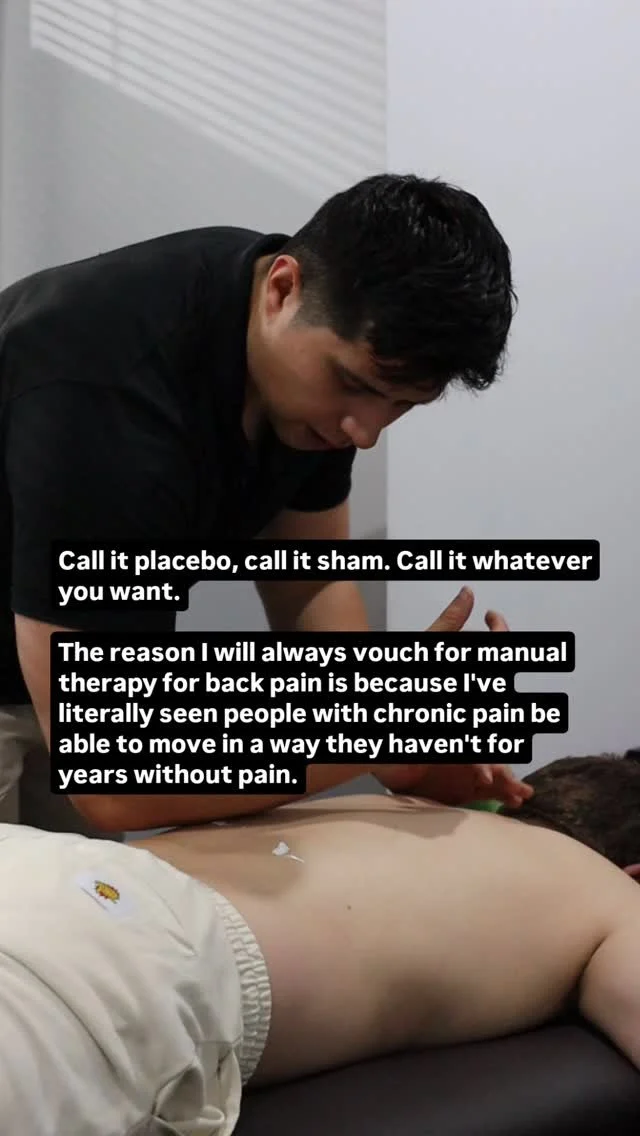
Hands-on care settles pain and stiffness early so you can start moving again.
-

Find the cause
A full assessment pinpoints what is driving your back pain, not just where it hurts.
-

A stronger back
A 12-week gym program builds strength and resilience in your back.
-

Stay pain-free
Lifestyle advice and a maintenance plan help stop your back pain coming back.
12 week back pain treatment program in Knox City
✓ Twelve 45 minute in person rehab chiropractic sessions
✓ Gym based back pain 12 week rehab program
✓ Lifestyle advice with work & home
✓ Rehab ‘How to’ exercise videos with full explanation
✓ Breathwork for back pain
✓ Goal setting for your individualised back rehab program
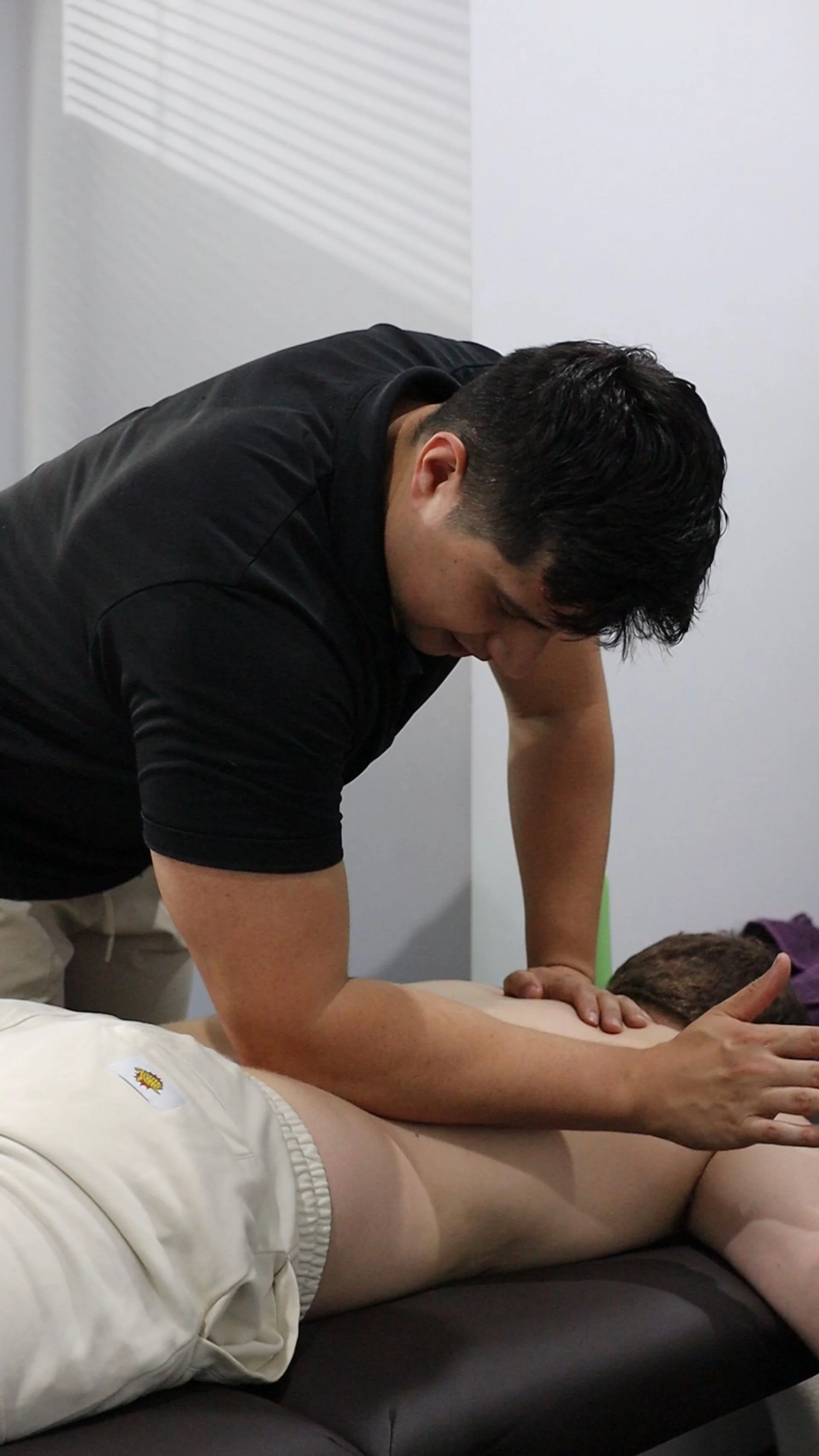
What causes back pain?
Back pain is either specific or non-specific. Specific back pain has a clear cause, like a disc injury or a fall.
Most back pain is non-specific: there’s no single cause, but a mix of physical, social and biological factors. That’s why we assess the whole picture, not just the spot that hurts.
How does back pain happen?
Many things can play a part:
Physical: your job, posture or gym training
Social: stress, relationships or grief
Biological: family history of arthritis or scoliosis
How do I know if I have a serious back injury?
Tweaking your back at work or feeling stiff after the gym is usually not serious. See a professional promptly if you have:
Pins and needles or numbness down the leg or in the foot
Pain that’s worse at night
Unexplained weight loss
Bladder or bowel changes
Numbness in the groin area
New back pain and you’re over 55
An MRI is best for soft tissue injuries like discs and nerves. An X-ray is best for bone issues like scoliosis or fractures.
How do I heal my back pain?
With a tailored plan: hands-on care works best combined with the right rehab exercises. Considering surgery? One study found no difference after four years between surgery and non-surgical care for chronic low back pain. (1)
Our 10-step back pain treatment & rehab plan in Knox City
Hear your full back pain story
Assess your back, leg and foot strength
Run orthopaedic and nerve tests
Set goals on your rehab ladder (your step-by-step milestones)
Hands-on care to ease pain and swelling
Hands-on care to improve movement
Build back strength with gym exercises
Improve coordination and resilience to pain
Add sport-specific work: jumping, running or lifting technique
Prevent flare-ups with lifestyle advice and maintenance sessions
Are you ready to leave back pain behind?
Get back to lifting, running, playing with your kids or a full work day without pain. Liftd has got your back.
Back pain FAQs
-
Most back pain is non-specific: there’s no single cause like a disc injury or a fall. Instead it’s a mix of physical, social and biological factors, such as your job, training, stress, sleep and family history.
-
Tweaking your back at work or feeling stiff after the gym is usually not serious. See a professional promptly if you have:
Pins and needles or numbness down the leg or in the foot
Pain that’s worse at night
Unexplained weight loss
Bladder or bowel changes
Numbness in the groin area
New back pain and you’re over 55
-
Not always. An MRI is best for soft tissue injuries like discs and nerves, and an X-ray for bone issues like scoliosis or fractures. We’ll refer you for imaging if your assessment shows you need it.
-
Surgery is right for some people, but one study found no difference after four years between surgery and non-surgical care for chronic low back pain (1). A structured rehab plan is worth trying first unless your doctor advises otherwise.
-
Yes, we accept private health funds. Your rebate depends on your extras cover, so check with your fund.
References
Brox, J. I., Nygaard, Ø. P., Holm, I., Keller, A., Ingebrigtsen, T., & Reikerås, O. (2010). Four-year follow-up of surgical versus non-surgical therapy for chronic low back pain. Annals of the rheumatic diseases, 69(9), 1643–1648. https://doi.org/10.1136/ard.2009.108902